Successful MSD initiatives are grounded in sound, insightful analysis and diagnosis of the opportunities and constraints in particular market systems - the underlying causes of poor performance
This page draws on A good enough approach to market systems analysis: a pragmatic donor-friendly guide to commissioning and undertaking market systems analysis in different contexts.
Conventional market analyses often involve extensive, in-depth studies at the start of programmes. These can be time-consuming, resource-intensive and may contribute to ‘analysis paralysis’, when teams struggle to translate overwhelming volumes of data into actionable strategies.
The ‘good enough’ approach to MSA focuses instead on gathering just sufficient data to develop a working hypothesis, identify important leverage points and design initial interventions. It assumes the more valuable learning and insights occur during implementation as programmes unfold.
The figure below from A good enough approach to market systems analysis illustrates the value of moving towards a lighter-touch approach in analysis:
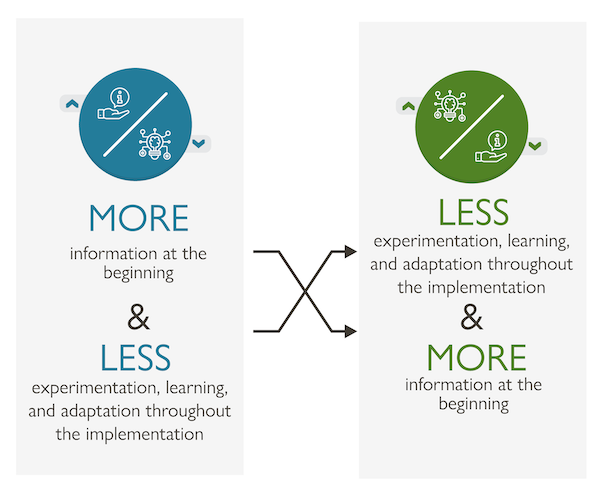
A ‘good enough’ approach balances thoroughness with practicality, acknowledging that complex market systems can never be fully understood at the outset. It emphasises ongoing learning and adaptation rather than striving for comprehensive knowledge upfront. This approach aims to increase impact by enabling implementers to start intervening sooner, while continuously refining their strategies based on emerging evidence.
See also: From analysis to action summarising what works in designing interventions based on market systems analysis
Key characteristics of a "good enough" approach
- Actionable insights:
Prioritise gathering information that directly informs programme decisions and intervention design. - Iteration and adaption:
Emphasise continual learning and adaptation, adjusting strategies and interventions based on ongoing MEL. - Cost-effectiveness:
Strive to achieve a balance between the depth and breadth of analysis and the available resources. - Timeliness:
Aim to provide the implementation team with timely information to inform decision-making, enabling them to start intervening sooner. - Participation:
Involve local stakeholders in the analytical process to ensure relevance and buy-in.
The ILO brief Traction through action provides guidance and case study examples on how to avoid analysis paralysis by focusing on actionable insights.
Managing donor expectations and resources
Donors play a critical role in enabling the good enough approach. Some factors they need to consider include:
- Clear communication: ensure there's a shared understanding of the good enough approach between the donor and the implementing partner.
- Time and resources: realistically assess the time and resources required for both the initial MSA and the ongoing learning and adaptation efforts. This is covered further in resourcing and planning for analysis.
Common pitfalls and how to avoid them
- Analysis paralysis: the MSA team gets bogged down in data collection and struggles to translate it into actionable strategies. To avoid this, prioritise information needs and set clear time limits for data gathering.
- Confirmation bias: the MSA team selectively gathers information that confirms their pre-existing beliefs, rather than challenging them. To avoid this, use diverse data sources and encourage critical thinking within the team.
- Lack of ownership: the MSA team relies heavily on external consultants and does not engage local stakeholders in the analytical process. To avoid this, involve local stakeholders in data collection, analysis and sensemaking.
- Focusing on the tangible: the MSA team focuses primarily on easily quantifiable data, neglecting the more nuanced and qualitative aspects of the market system. To avoid this, use a mix of quantitative and qualitative data collection methods.
By embracing the "good enough" approach and focusing on continuous learning and adaptation, MSD programme teams can navigate the complexities of market systems more effectively and deliver lasting outcomes. The trick is to balance the need for a solid foundation with the flexibility to respond to emerging opportunities and challenges.