Guidance
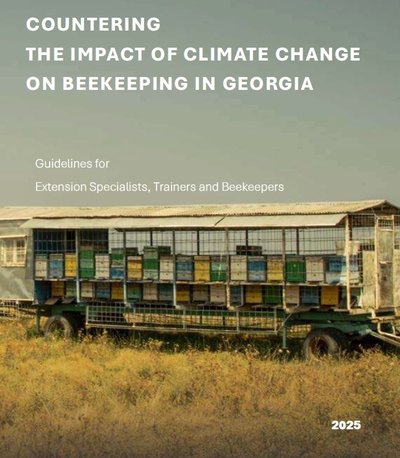
Countering the impact of climate change on beekeeping in Georgia
Guidelines for extension specialists, trainers and beekeepers


- Published by
- Georgian Beekeepers Union (GBU)
These guidelines help Georgia's beekeepers adapt to the growing threats posed by climate change.
Beekeeping is a vital source of income for many rural households, but unpredictable weather, temperature extremes and shifting flowering seasons are disrupting colony health, honey production and the livelihoods that depend on them.
Developed by the Georgian Beekeepers Union with support from the Alliances Caucasus 2 programme, five chapters cover hive management in extreme weather, nutrition and feeding strategies, disease treatment in changing conditions, beeswax quality and the pathway to bio honey certification. Throughout, the focus is on affordable and sustainable solutions suited to Georgia's diverse climate zones - from humid lowlands to cold mountain regions.
The guidelines also touch on market dimensions relevant to the honey sector: the conditions under which beekeepers can access premium bio markets, the circular economy of beeswax and the role of extension systems in reaching the most marginalised producers.
Designed as a living resource, they will be updated as knowledge and practice continue to develop.